Home / Timing

DotLine Sports Timing

Every hundredth counts.

Light barrier timing for classic car rallies. For training regularity tests – and for timing entire events.

The principle

Best time or target time – measured precisely to the hundredth or thousandth of a second.

Two light barriers mark start and finish, and the time in between is recorded exactly. Depending on the discipline, results are scored in one of two ways: either the fastest time wins – or the most accurate one. Anyone who wants to do well needs training – and timing they can rely on.

Best time

As fast as possible.

Whoever completes the course in the shortest time wins. Every hundredth less counts.

Scoring by best time Three runs compared: 4.18 s is the best time and wins, 4.62 s and 5.05 s follow. RANKING Time start → finish 1 Run B 4.18 s 2 Run A 4.62 s 3 Run C 5.05 s 0 s shorter = better
  • Hill climbs
  • Slalom races
  • Sprints & athletics
  • Agility & show jumping
  • Karting & pump tracks
  • Performance testing
Target time

Not fast – precise.

The course must be completed in a given target time. The deviation is scored: every hundredth too early or too late costs points.

Scoring by target time Target time 5.00 s. Ranking by deviation: run B with 5.003 s deviates by only 0.003 s and wins, run A with 4.960 s is 0.040 s too early, run C with 5.120 s is 0.120 s too late. RANKING Target 5.00 s 1 Run B 5.003 s +0.003 ✓ 2 Run A 4.960 s −0.040 3 Run C 5.120 s +0.120 measured too early too late
  • Classic car rallies
  • Regularity tests
  • Touring & club drives

How it works

Measuring principle with two light barriers A vehicle, a horse, a runner or a dog passes light barrier 1 (start) and light barrier 2 (finish). The time in between is measured, scored as best time or compared with the target time, and sent to the app or software. Measured time LB 1 · Start LB 2 · Finish 5.003 +0.003 App / Software

Set up

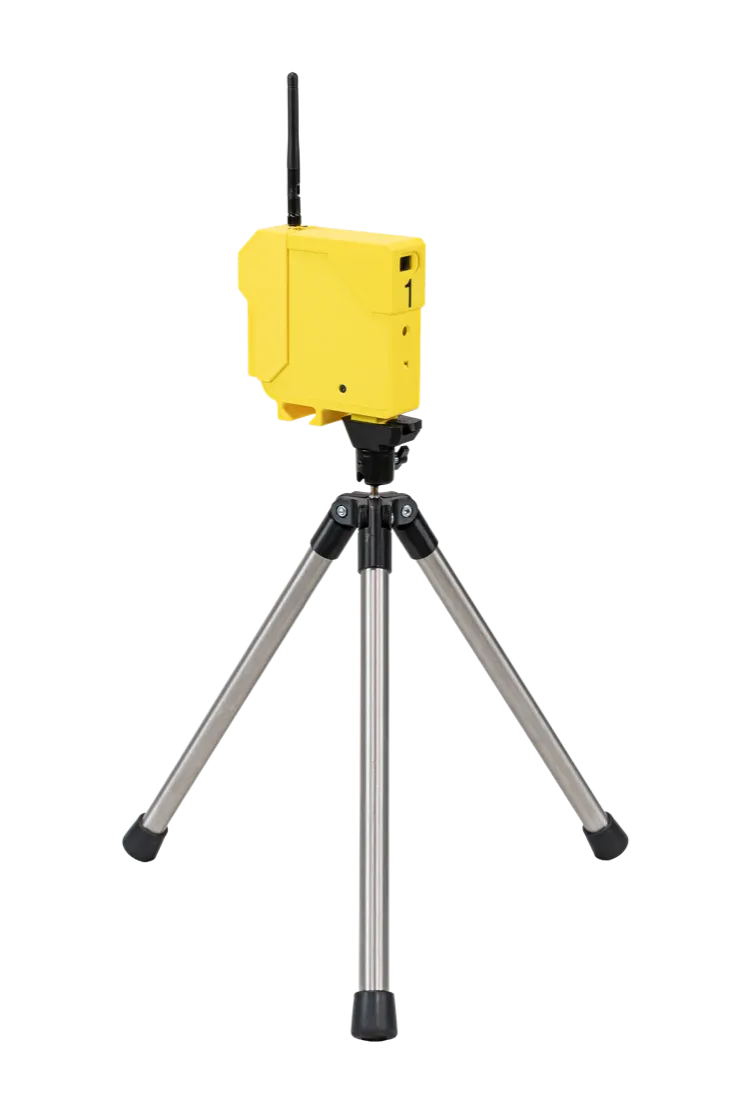
Align the light barrier and its counterpart – a reflector (OptiSense Classic) or an emitter (DST) – on tripods on either side of the course. Ready in a few minutes.

Pass through

Any interruption of the light beam is detected at the respective light barrier. Each interruption creates an exact time stamp.

Compare

The measured time counts as a best time or is compared with the target time. Result and deviation appear instantly on the display, smartphone or laptop.

Improve

Save series of runs, vary the course, see your progress – or create the results directly at events.

Try it

How good is your sense of time?

Start the timer with your first click (start light barrier) and stop it when you think the target time has been reached (finish light barrier). It gets hardest with the clock hidden – just like in the car.

A playful demonstration in your browser. Real timing is of course done with light barriers.

Regularity trainer
0.00 s
Ready. Pass through the start light barrier.
Systems

Two systems – one goal: the perfect time

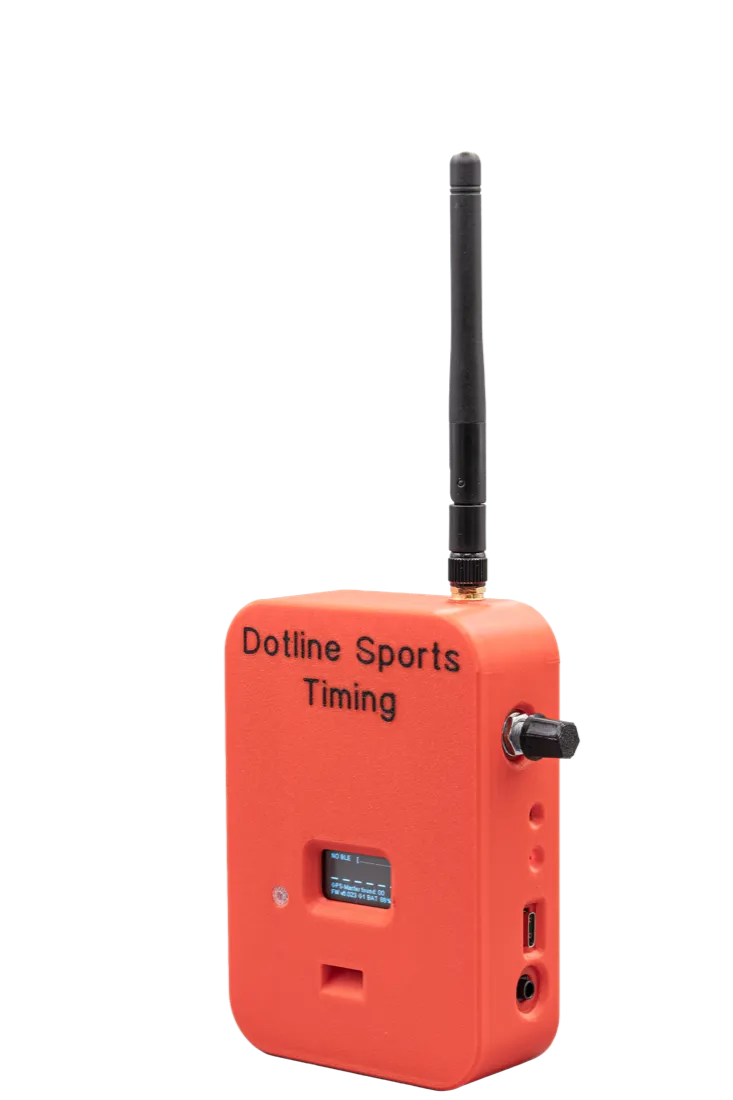
Wired and proven, or wireless with a GPS time base: OptiSense Classic measures to the hundredth of a second, the GPS system even to the thousandth – for best times and target times alike.

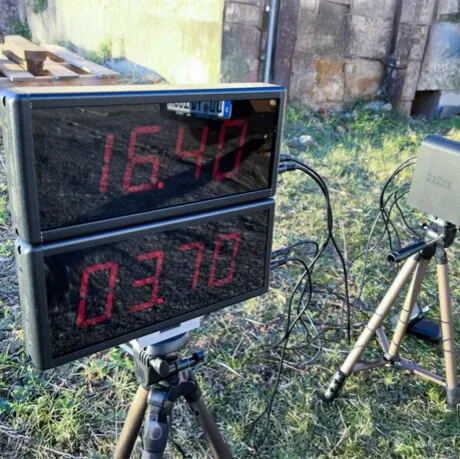
Large LED display of the OptiSense Classic
System 1 · wired

OptiSense Classic

  • Proven training set with cable connection
  • Accuracy: 1/100 second
  • Reflector: passage width 4 m, 6 m with the larger reflector
  • Large, easy-to-read LED display
  • Standard or Expert set, modular and expandable
from €990incl. VATMore
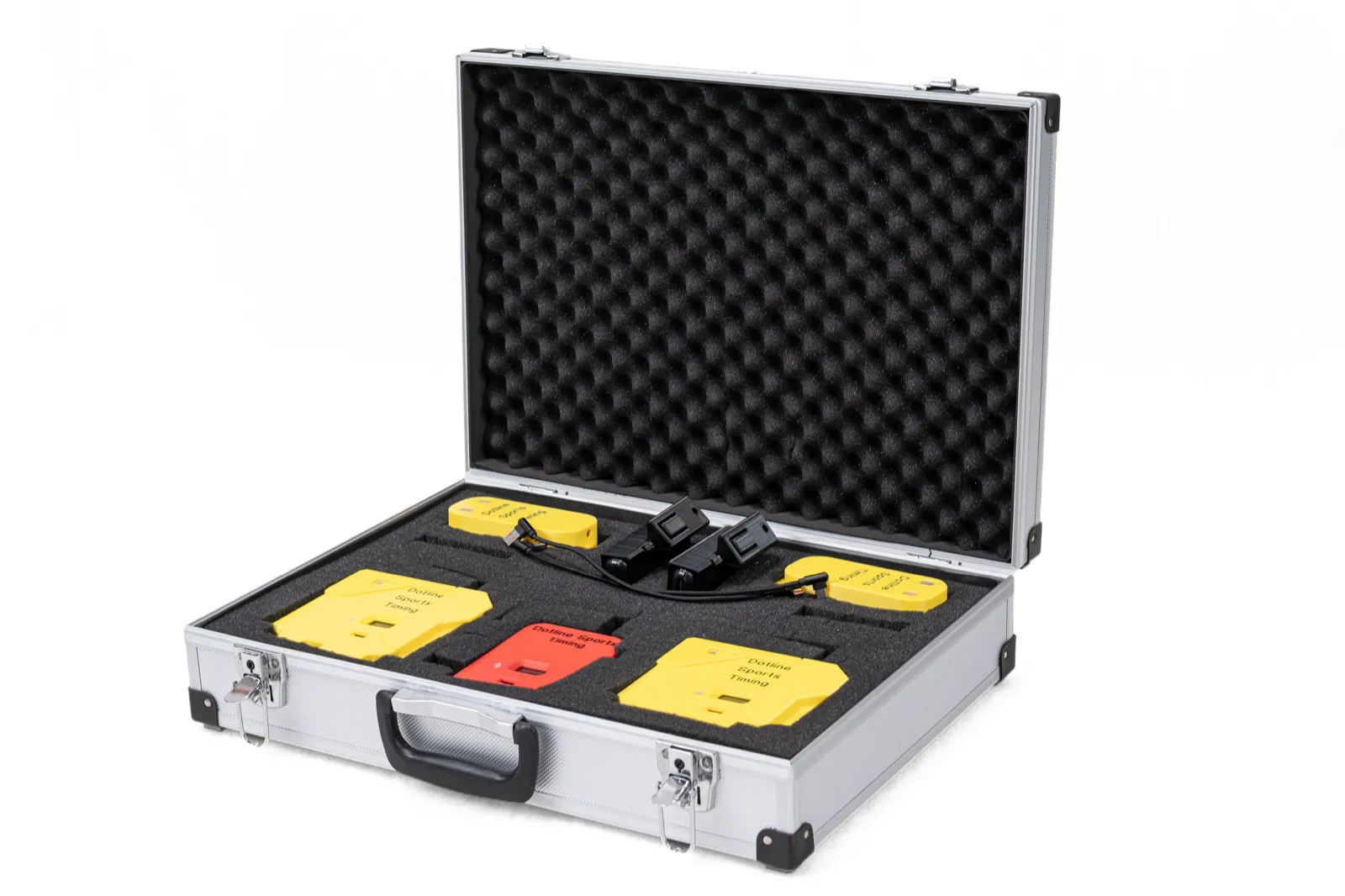
DST case with wireless light barriers, emitters and central module
System 2 · wireless (GPS)

DotLine Sports Timing

  • Wireless light barriers – no cables
  • Accuracy: 1/1000 second
  • Up to 6 light barriers – or pressure hose modules
  • Every light barrier with its own GPS-synchronised clock
  • Precise timing over long distances with several central modules
  • Emitter instead of reflector: passage width up to 20 m
New

One hardware – two ways to use it:

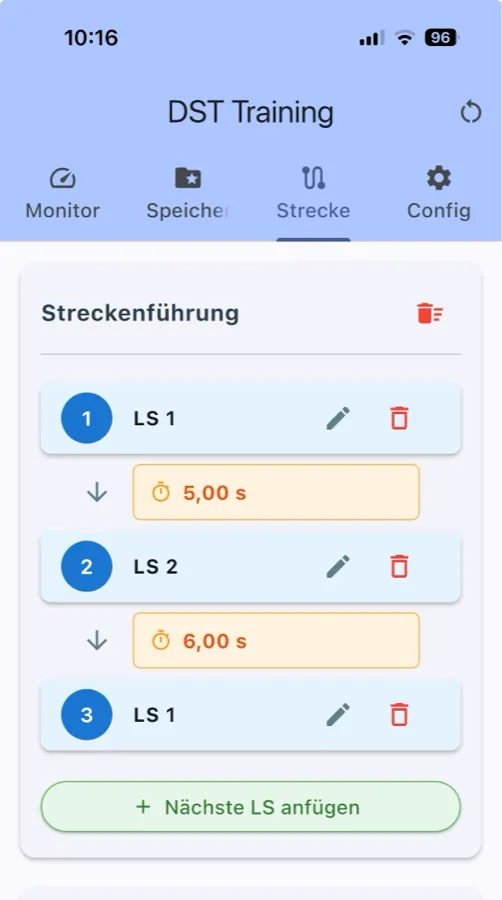
DST Training app: course layout with target times
For training

DST Training

App for smartphone and tablet (Bluetooth): set up courses with several light barriers and see every pass live.

More
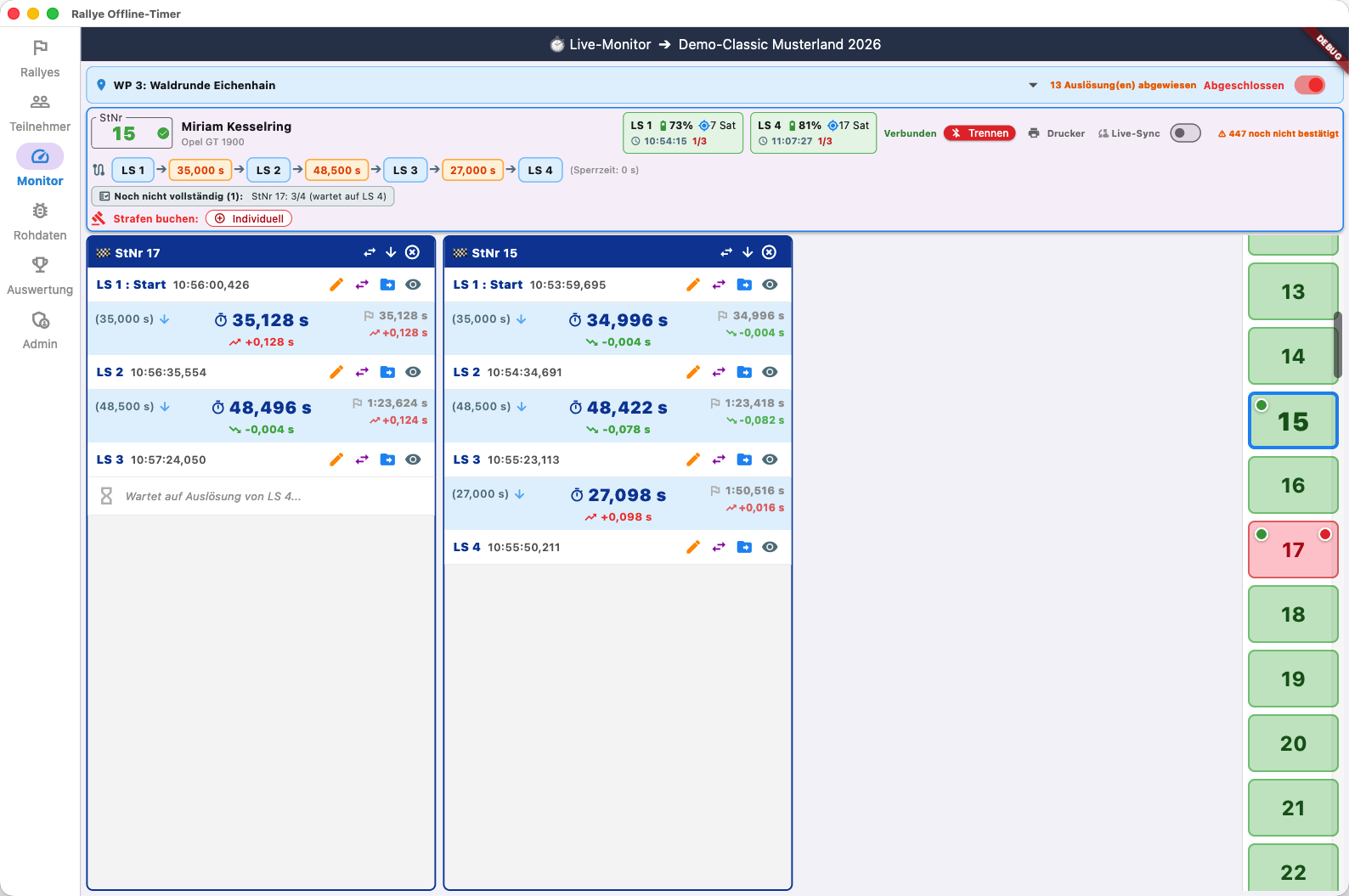
Live monitor of the DST Competition software
For organisers

DST Competition

Software for timing entire events: participants, live monitor, individual and team rankings.

More
Applications

For everyone for whom time counts.

Our light barriers are at home in sports and motorsport – designed for wherever times must be measured reliably and with absolute precision.

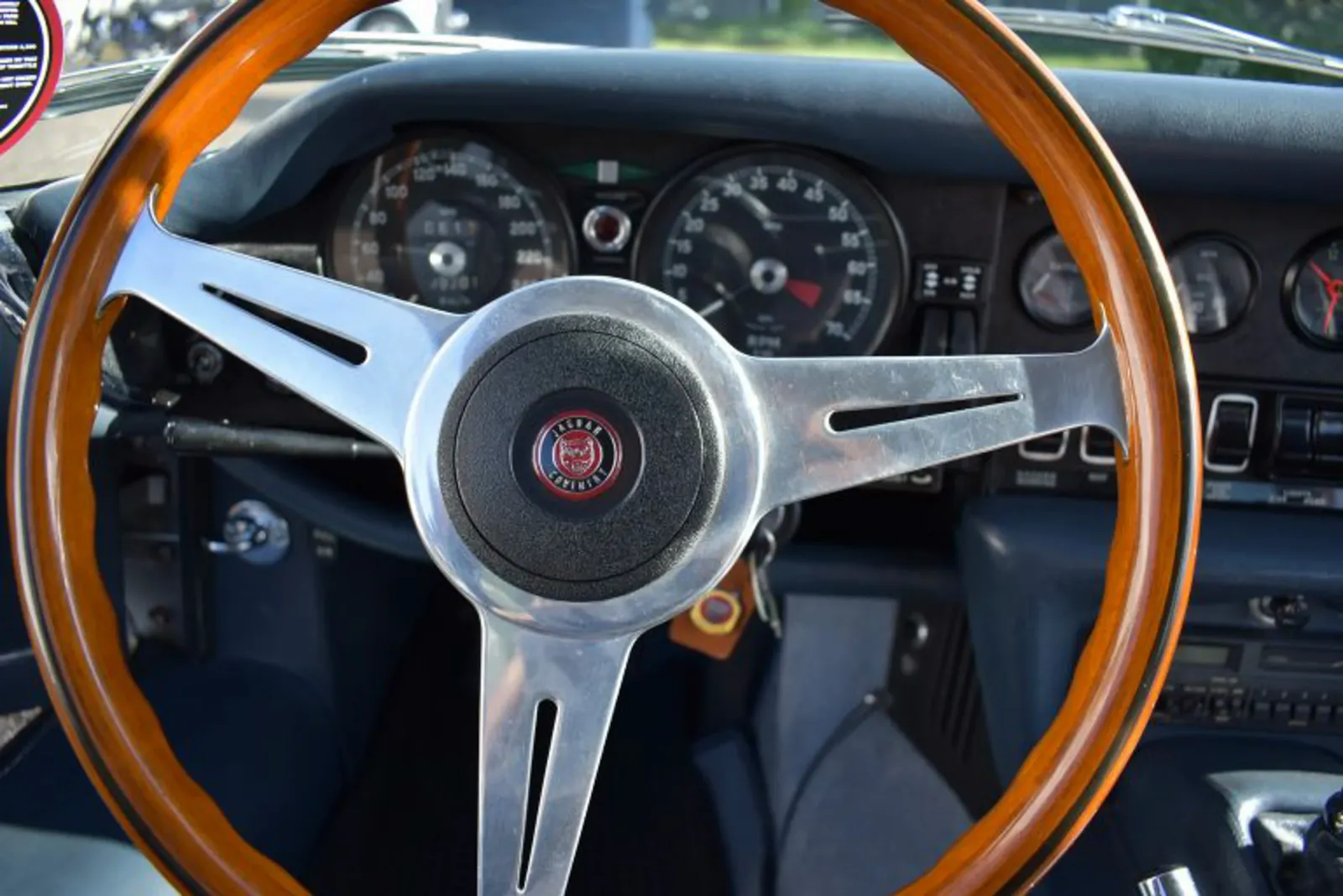
Light barrier timing: classic car rallies

Classic car rallies

Target-time training and timing of special stages

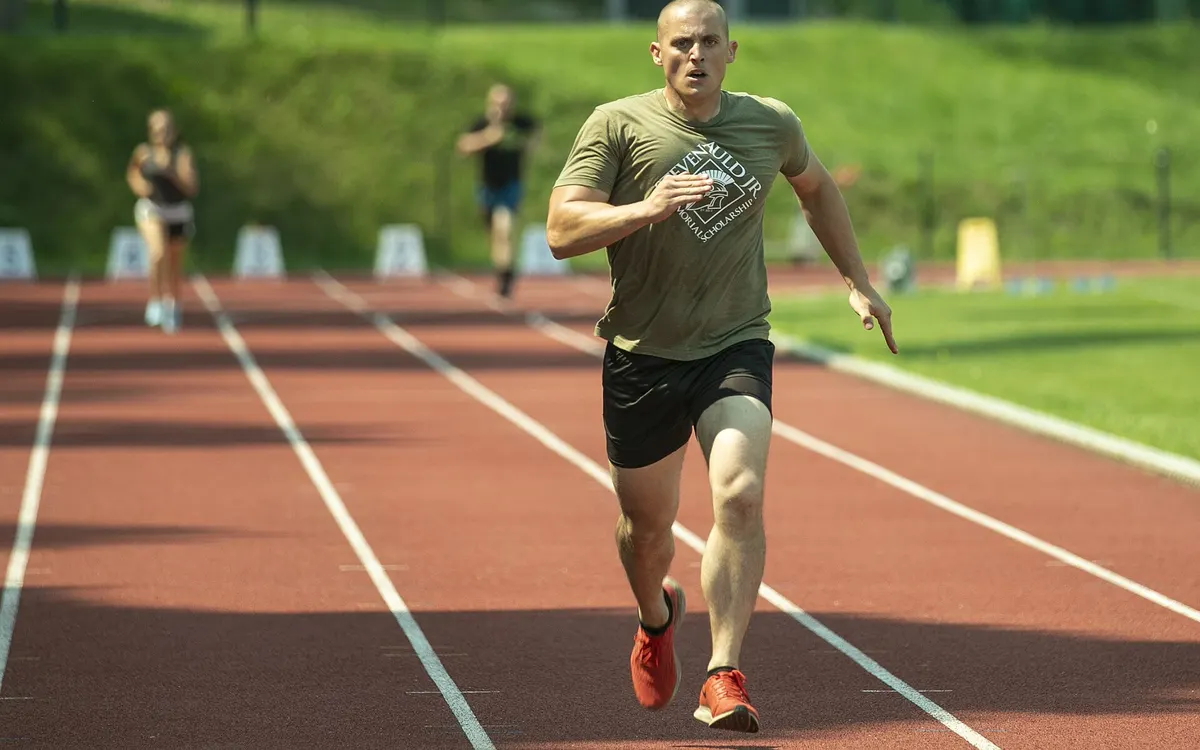
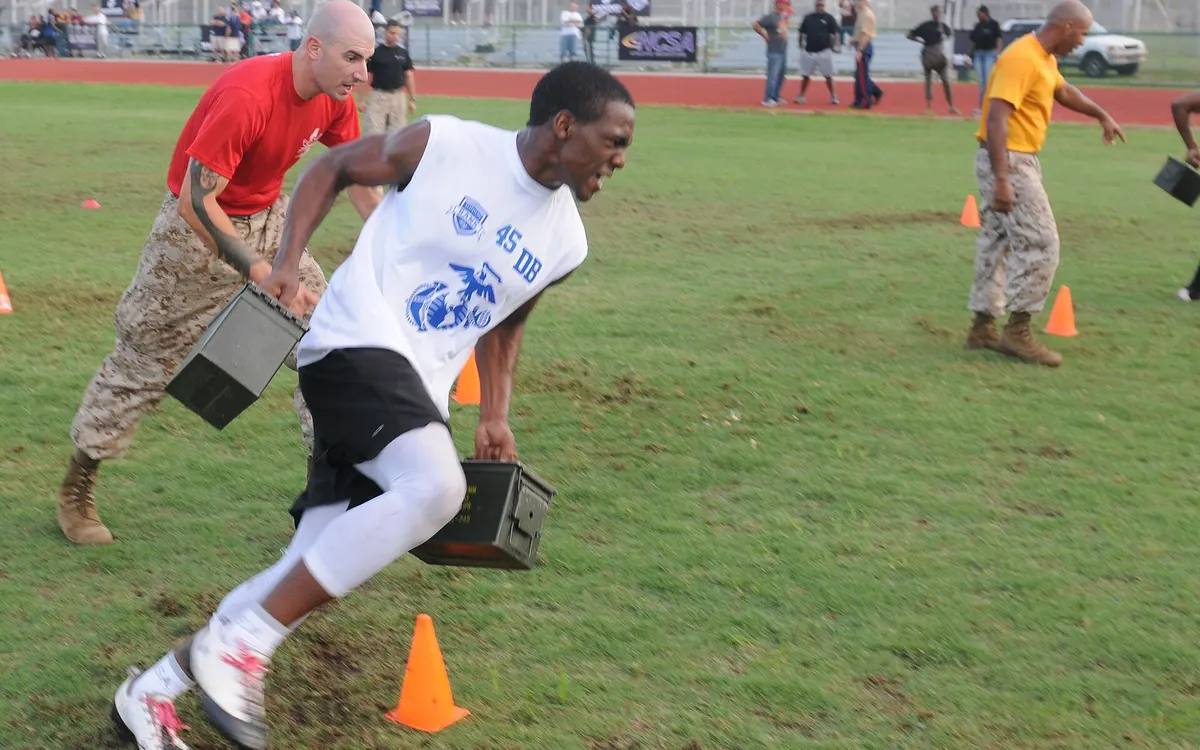
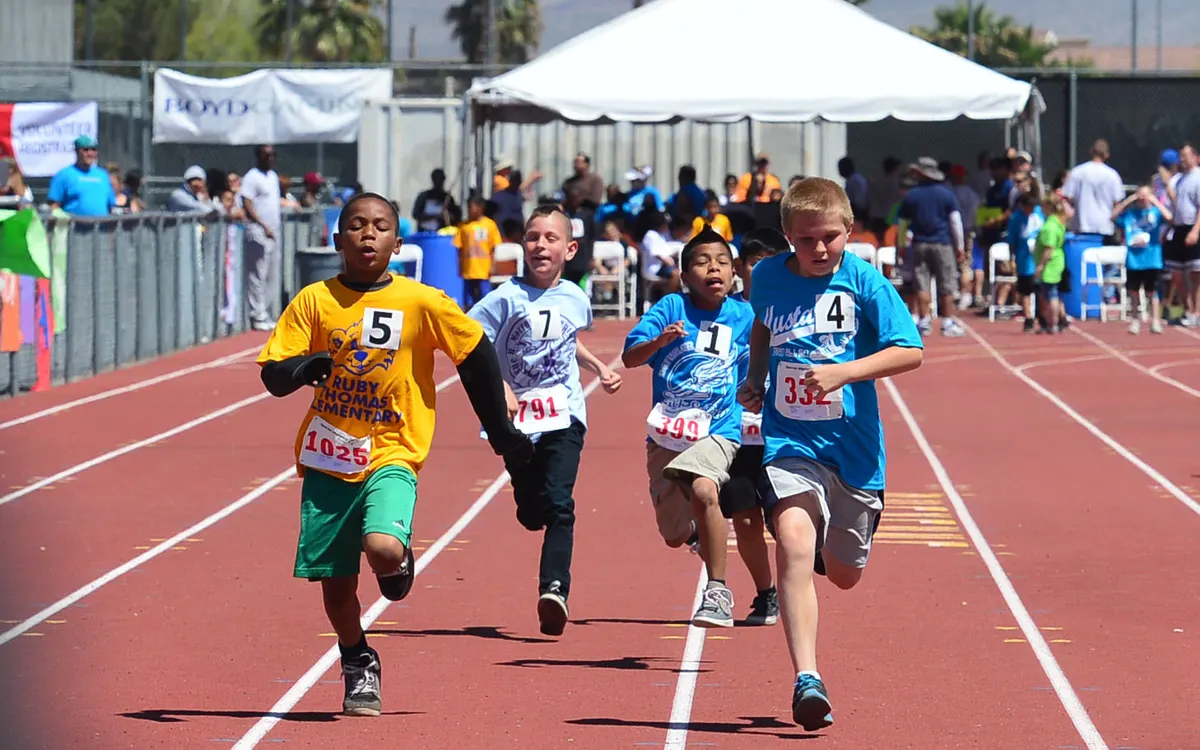
Light barrier timing: athletics

Athletics

Sprints, relays and performance tests

Light barrier timing: youth football

Youth football

Speed and sprint tests in training

Light barrier timing: schools and sports badges

Schools & sports badges

School sports days and sports badge tests

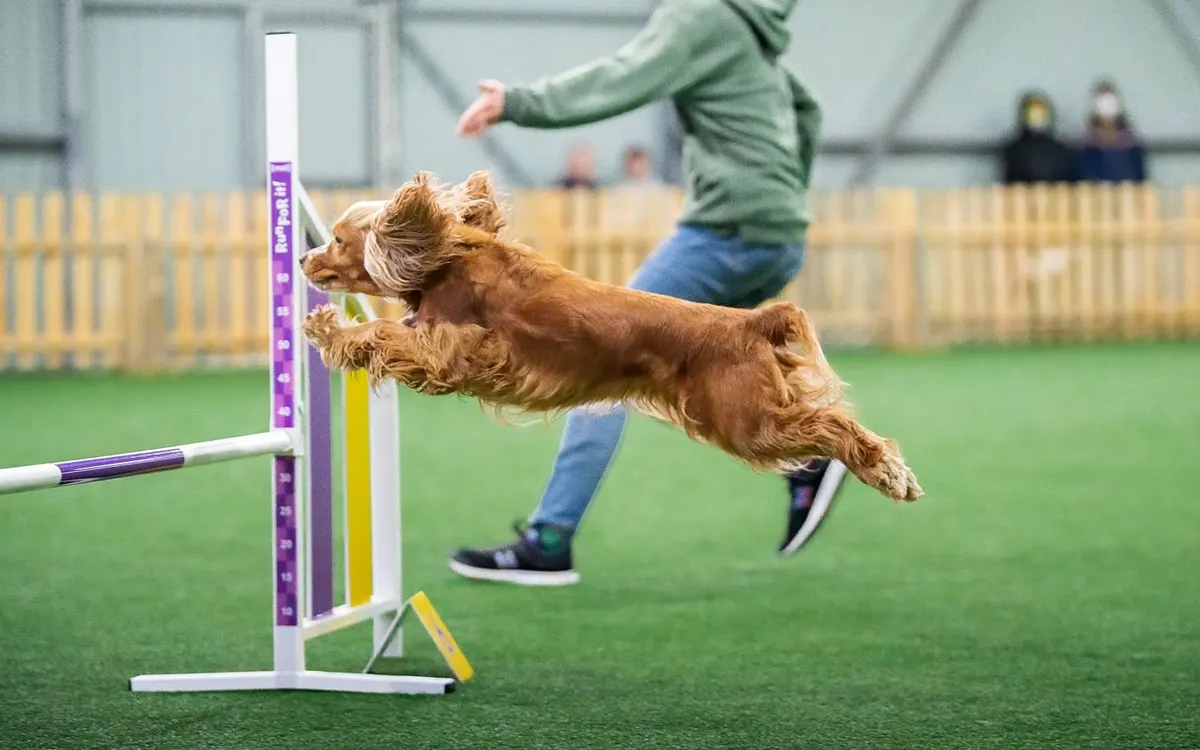
Light barrier timing: dog sports

Dog sports

Agility and competition runs

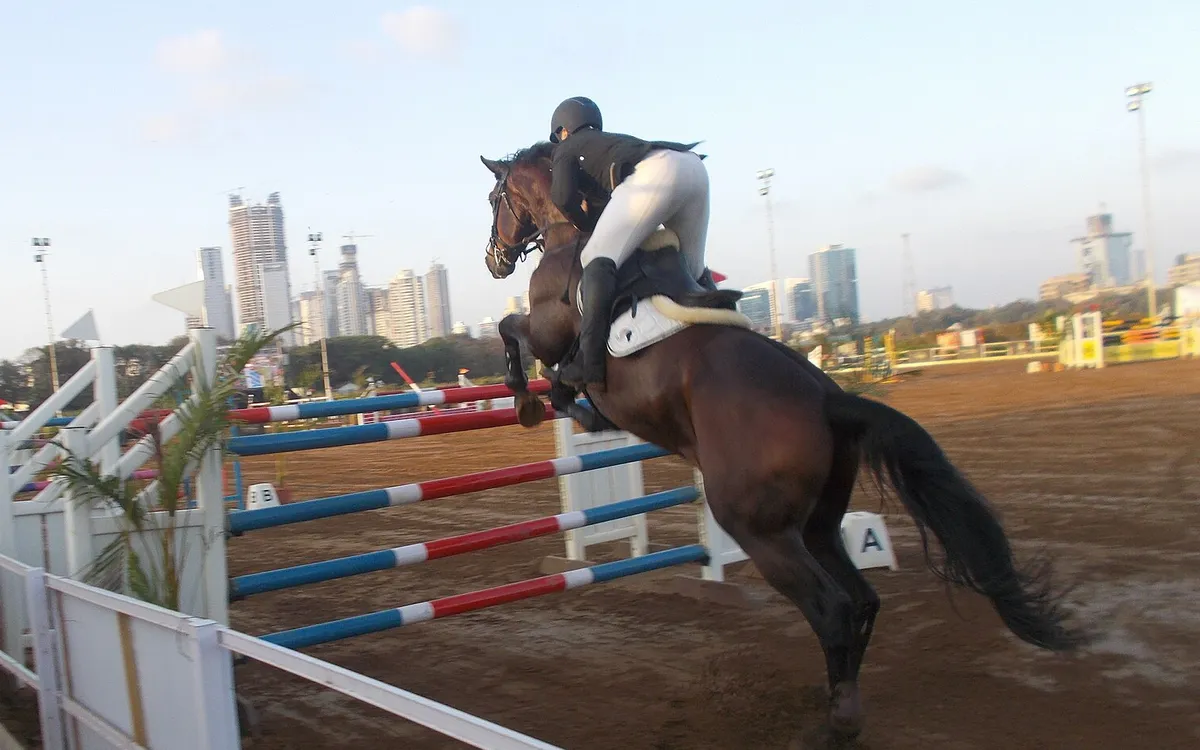
Light barrier timing: show jumping

Show jumping

Course times and jump-offs

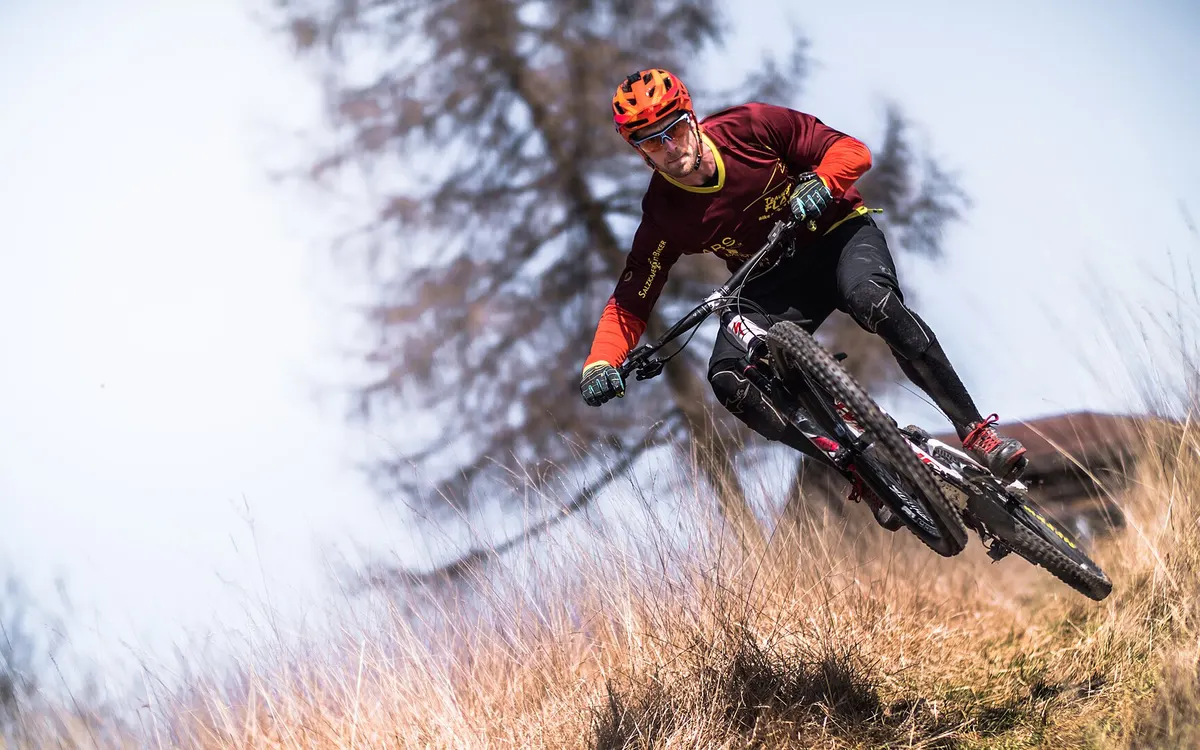
Light barrier timing: cycling and mountain biking

Cycling & mountain biking

Time trials, hill climbs and trails

Light barrier timing: athletic performance testing

Athletic performance testing

Sprint, acceleration and agility tests

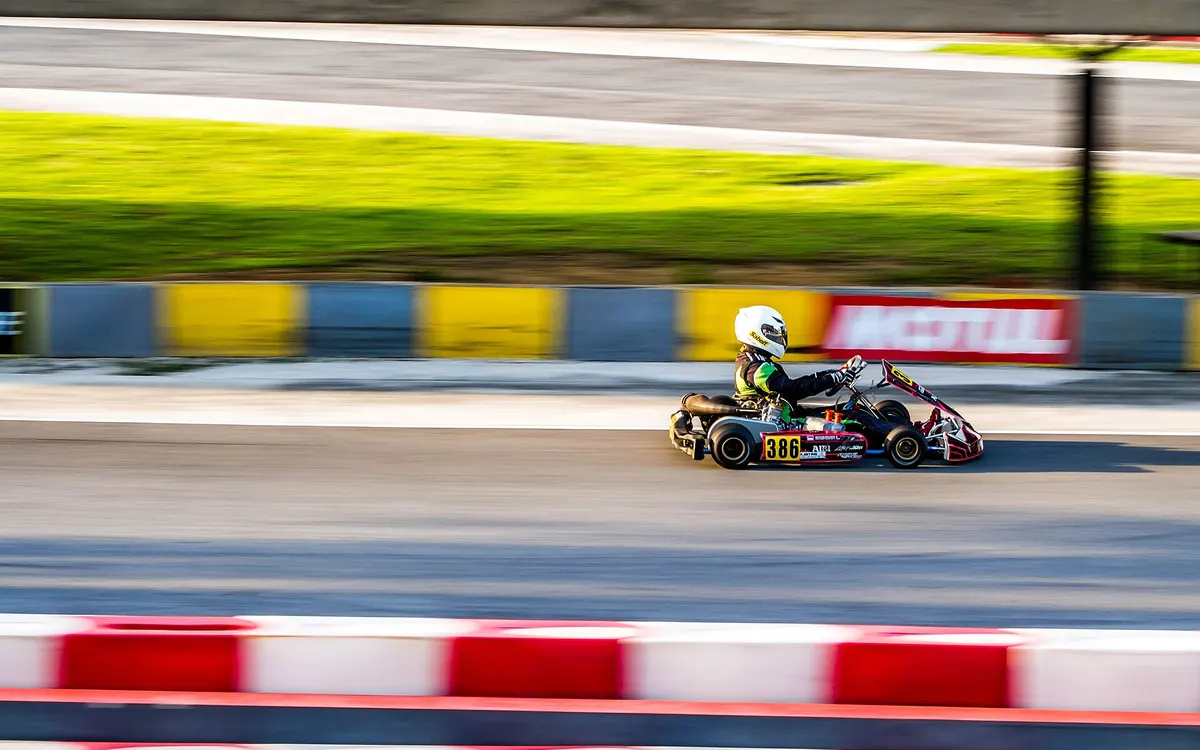
Light barrier timing: kart tracks and track days

Kart tracks & track days

Lap times and sectors

Is your application listed – or not? Talk to us. We will gladly advise you on which system suits your training or your event.

FAQ

Good to know

Your question is not listed? Call or write to us – we will gladly advise you on the right system.

Ask a question
What is a regularity test?

A special stage in which a course must be driven in an exactly specified time. What is scored is not speed but the deviation from the target time – common in classic car rallies.

Which system is right for me?

OptiSense Classic is ideal for getting started and for club training. If you want to train with several light barriers, without cables and with analysis on your smartphone, choose DST Training. Organisers use DST Competition for complete event timing.

How wide can the passage be?

That depends on the system: the OptiSense Classic light barrier works with a reflector – up to 4 m with the standard reflector, up to 6 m with the larger one. The wireless DST system uses an emitter on the opposite side instead of a reflector, allowing passage widths of up to 20 m.

Can I expand the OptiSense Classic Standard set later?

Yes. All components are available individually – the Standard set can be expanded step by step up to the Expert set.

Is my data stored in a cloud?

Not for training: the DST Training app stores all measurements exclusively on your device. There is no tracking and no transfer to us or third parties.

Only the event software DST Competition offers optional cloud storage – and only with your explicit consent. Without consent, DST Competition also works entirely locally and offline.

Do you also offer timing as a service?

Talk to us – we will be happy to discuss how we can support your event.

Ready for the next stage?

We advise you personally – on training sets, accessories and timing for your event.